Industry
Education
Company
Fluency Academy
Team
Me (Lead Designer), Thiago Bisewski (Head of Design) + Engineering Team
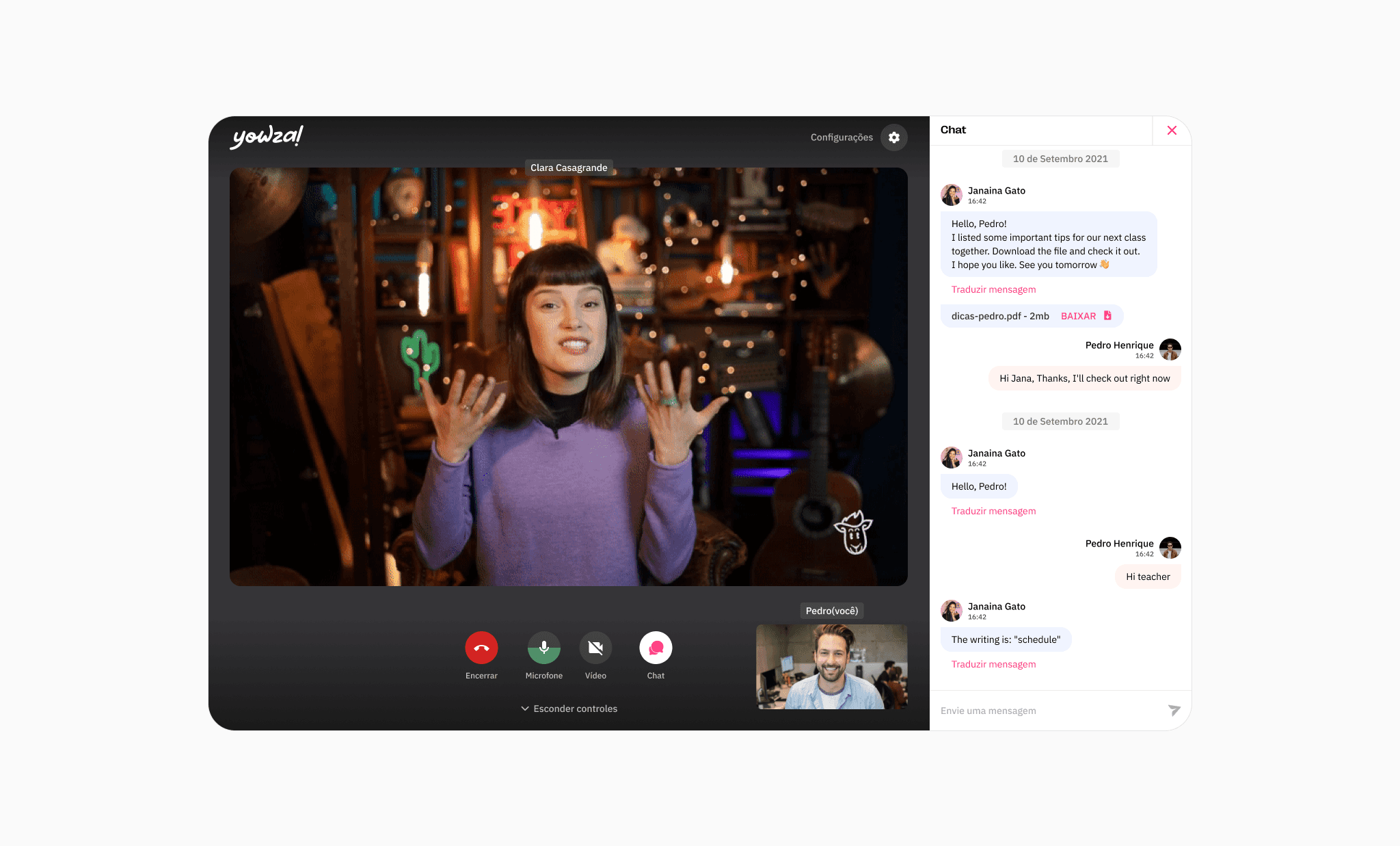
A strategic digital platform created to transform language learning into an engaging and personalized experience. Built upon Fluency Academy's methodology, Yowza! integrates synchronous classes, interactive learning paths, and real-time teacher connections, fostering meaningful practice and fluency.
Context
Fluency Academy previously relied on external platforms such as Cambly for conversation practice, creating critical business constraints:
Fragmented user journeys
Students had to leave the Fluency ecosystem to access conversation practice, creating friction and weakening product engagement.
Inconsistent learning experiences
External platforms followed different methodologies and experiences, making it harder to maintain consistency across the student journey and reinforce Fluency's pedagogical approach.
Higher operational costs
Relying on third-party platforms meant recurring external costs and less control over the economics of the learning experience.
Limited scalability
The model depended on external capacity and infrastructure, restricting Fluency's ability to scale conversation practice alongside its growing student base.
Bring conversation practice into Fluency's own ecosystem, increasing control over the experience, improving operational efficiency, and creating a more scalable learning product.


Solution
After the final validation through POC we finish with a MVP version.
The goal was to validate a critical assumption: could an integrated conversation experience increase student engagement and retention while reducing our dependency on external platforms?
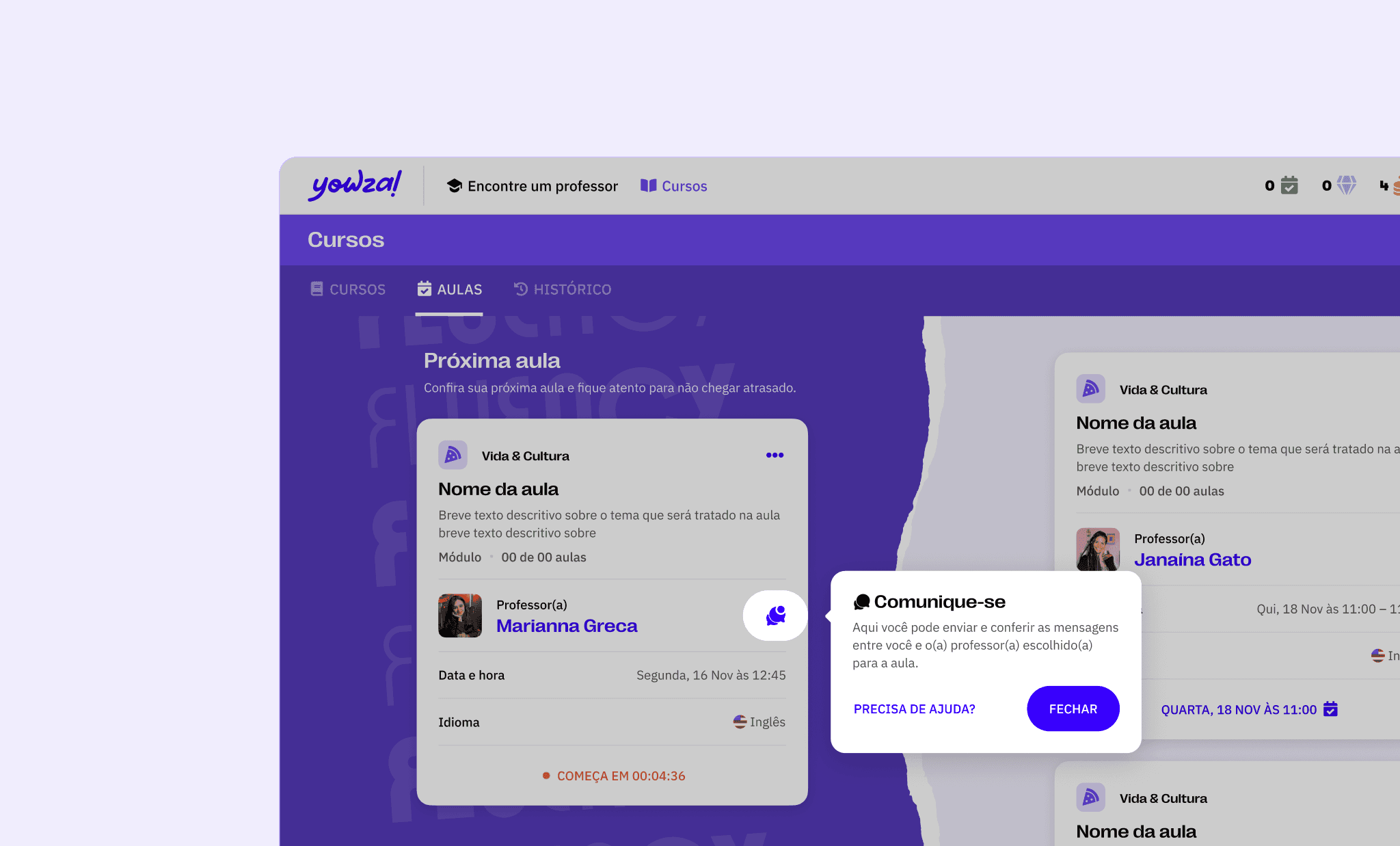
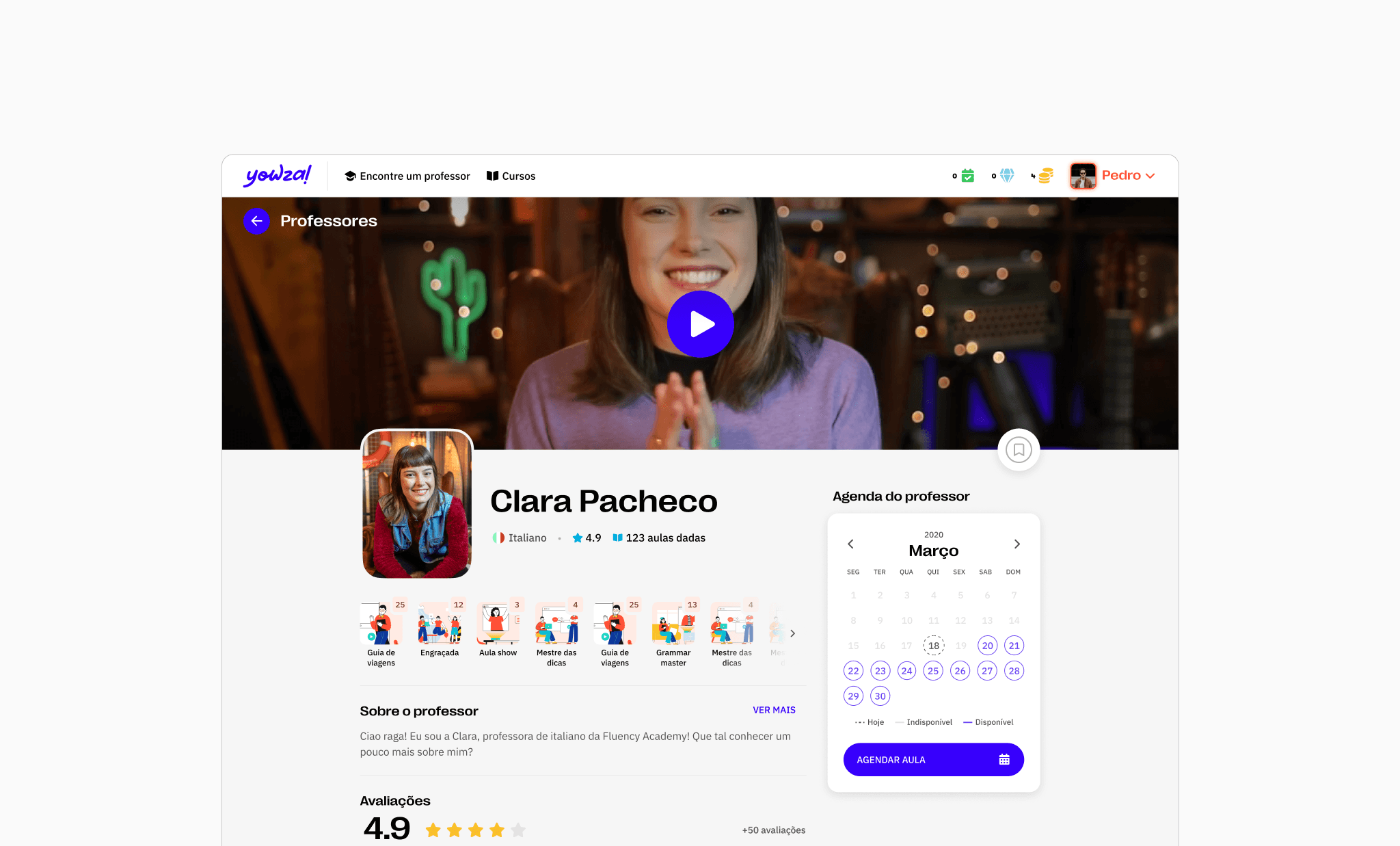
Using behavioral data, user feedback and existing learning patterns, we identified the core experience that needed to be tested first: finding, scheduling and attending personalized conversation classes within the Fluency ecosystem.


Teacher Platform
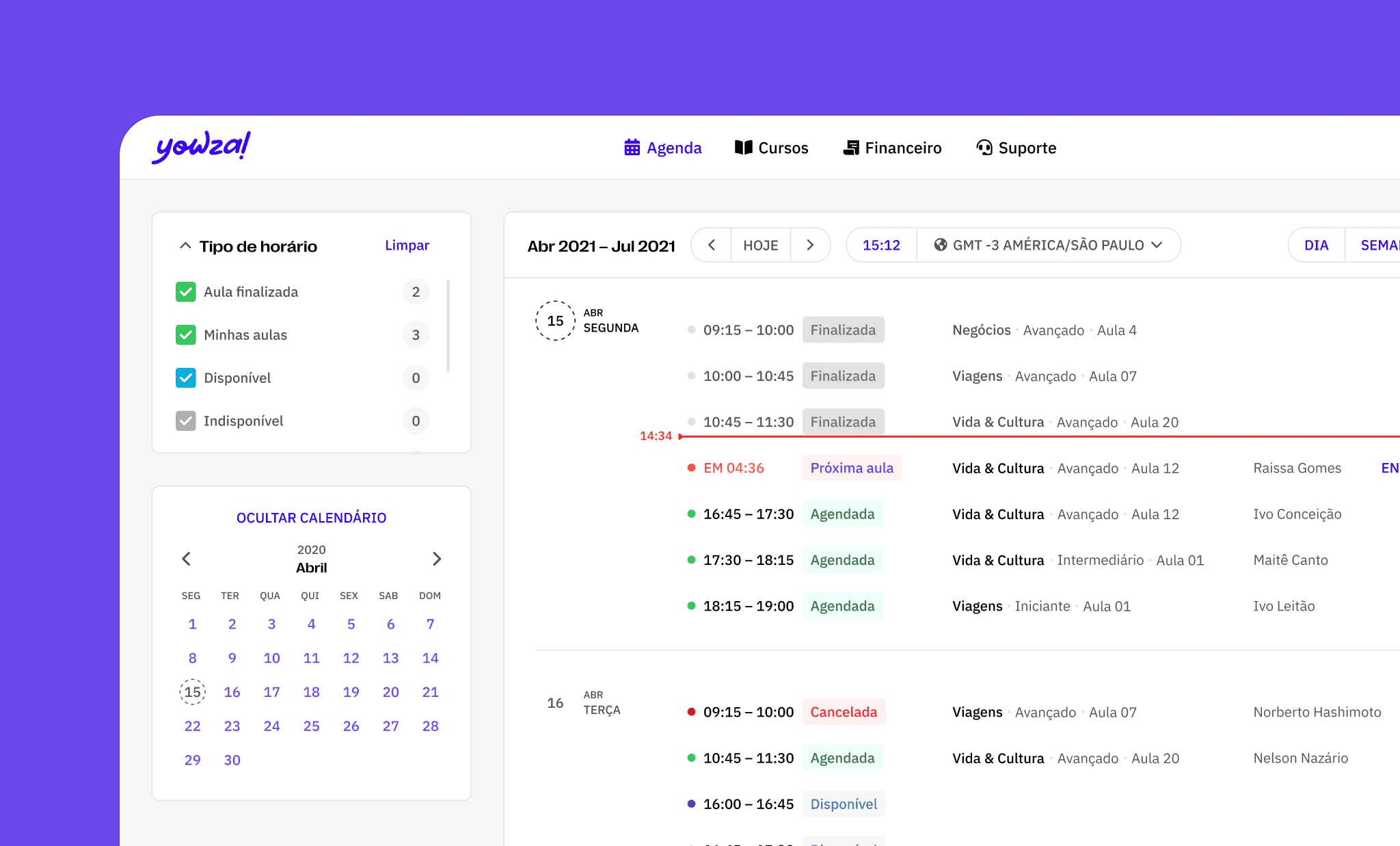
Not only designed for students. Behind the learning experience, we also needed to create an operational platform for the teachers responsible for delivering Fluency’s methodology.
Teachers were hired and trained specifically within the Fluency method, which meant the product needed to support their daily workflow, from managing their schedules to understanding each student and keeping track of their financial activity.
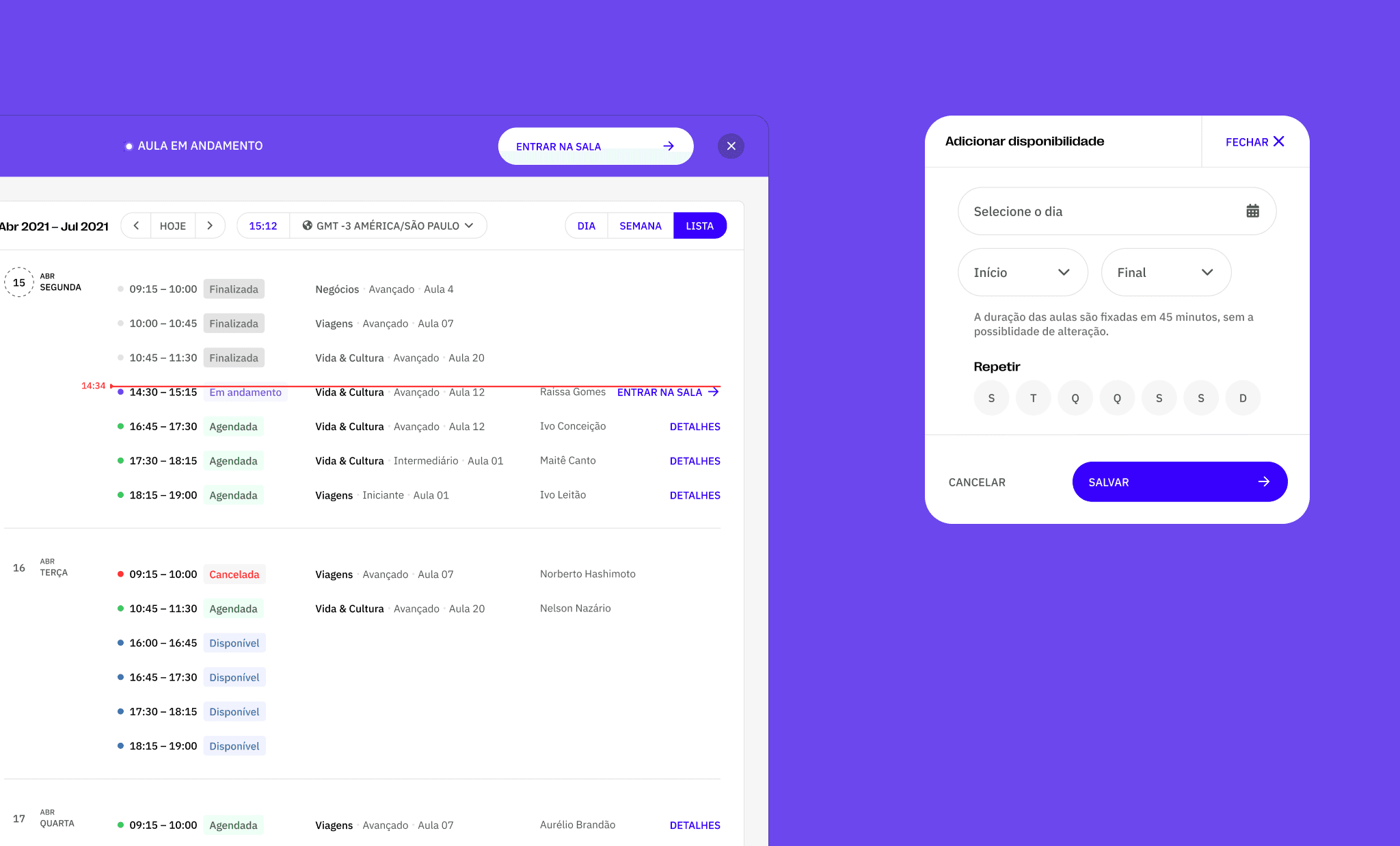
I designed a dedicated B2B teacher experience that brought the most important operational information into a single platform:
Class calendar
A clear overview of upcoming lessons, availability, and teaching schedule.
Student profiles
Access to relevant student information and context before and during each class.
Class notes
A structured space to record observations, progress, and relevant information that could inform future lessons.
Financial management
Visibility into teaching activity and financial information in the same ecosystem.
The goal was to move teachers away from fragmented operational tools and give them a single source of truth for their work.